Buffalo Plaid Moose for Merry Christmas Review
As a designer who has spent years navigating the intersection of digital graphics and physical stitching, I approach every new asset with a critical eye. The holiday season is particularly demanding; clients want unique custom apparel, small business owners need reliable design assets for their Etsy listings, and hobbyists are looking for that perfect personalized gift. Recently, I evaluated the Buffalo Plaid Moose for Merry Christmas to see if it holds up under the scrutiny of real-world production. This isn't just about how the file looks on a screen; it is about how it translates into a tangible, high-quality finished product.
First Impressions: Visual Weight and Holiday Charm
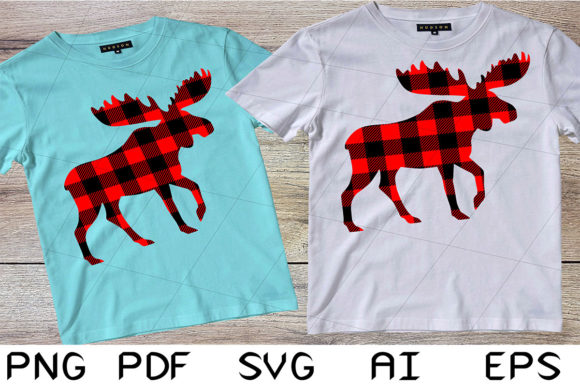
When I first opened the Graphics file for the Buffalo Plaid Moose for Merry Christmas, the immediate mood was unmistakably cozy. The combination of the classic buffalo plaid pattern with the silhouette of a moose creates a rustic, cabin-core aesthetic that resonates deeply with current winter trends. For anyone running a craft business focused on farmhouse decor or traditional holiday themes, this design offers an instant visual hook.
The layout is balanced, avoiding the common pitfall of being too top-heavy. However, as a professional, my instinct immediately shifts from admiration to technical analysis. The plaid pattern within the moose shape presents a specific challenge in embroidery. While the digital embroidery file may look crisp in a PNG preview, the reality of fill stitch density on a complex pattern like plaid requires careful management. If the stitch density is too low, the pattern will look muddy; if it is too high, the fabric may pucker. This design demands a designer who understands how to manipulate thread flow to maintain the integrity of the plaid lines without compromising the structural stability of the embroidery project.
Real-World Application: From Sweatshirts to Tote Bags
To truly test the versatility of the Buffalo Plaid Moose for Merry Christmas, I visualized its application across various substrates. Imagine a heavy-weight crewneck sweatshirt in a neutral cream color. Placing this design on the left chest area would create a sophisticated yet playful statement piece. The contrast between the dark plaid elements and the light background would pop, making it an excellent choice for sweatshirt embroidery intended for boutique retail.
I also considered its use on canvas tote bags. These are staples for small shop products during the holidays. The flat surface of a tote bag allows for precise hooping, which is crucial when dealing with intricate patterns. In this scenario, the design serves as a focal point, transforming a generic accessory into a branded item that customers are eager to carry. For the Etsy seller, this means higher perceived value. A customer is more likely to purchase a $30 tote bag featuring a well-executed machine embroidery design than one with a simple iron-on transfer.
Another compelling use case is the embroidered patch. By stabilizing the back heavily and using a dense running stitch border, the Buffalo Plaid Moose for Merry Christmas could be produced as a detachable patch. This opens up revenue streams for selling kits or add-ons to existing inventory. Customers can sew these patches onto denim jackets, backpacks, or even hats, extending the life and utility of the design beyond a single garment.
Navigating Technical Challenges and Fabric Textures
While the potential is high, there are specific scenarios where the Buffalo Plaid Moose for Merry Christmas requires caution. The intricate nature of the plaid pattern makes it less suitable for very small hoop sizes. Attempting to stitch this design in a 4x4 inch hoop might result in pixelated-looking stitches where the plaid lines lose definition. I strongly advise checking the recommended hoop size before committing to a production run.
Fabric texture is another critical factor. On smooth cotton or polyester blends, the design will shine. However, on textured fabrics like fleece or heavy knitwear, the fine details of the plaid can get lost in the nap of the material. In such cases, the thread colors must be chosen carefully to ensure maximum contrast. Using a lighter shade for the plaid lines against a darker base, or vice versa, can help the pattern emerge clearly despite the fabric's texture.
Furthermore, curved surfaces like caps present a significant challenge. The rigid structure of a cap hoop often distorts designs with straight lines, which are abundant in the buffalo plaid pattern. If you plan to use this for caps and hats, you may need to simplify the design or accept that some distortion is inevitable. It is always best to test the design on scrap fabric first to gauge how the stitch density interacts with the curve of the hat panel.
Strategic Advice for Commercial Success
For those looking to incorporate the Buffalo Plaid Moose for Merry Christmas into their commercial offerings, preparation is key. Before producing your first batch of handmade products, create a printable mockup to visualize the final look. Compare how the design appears on both light and dark backgrounds. This step is essential for maintaining brand consistency and ensuring that your commercial embroidery meets professional standards.
Do not overlook the importance of the stabilizer. Given the fill areas in the moose body and the plaid sections, a cut-away stabilizer is often preferable to tear-away for garments that will undergo frequent washing. This ensures the design remains flat and durable over time, preserving the quality of the finished product and protecting your reputation as a maker.
Finally, always verify the licensing terms associated with the embroidery file. Whether you are creating a personalized gift for a friend or manufacturing items for a holiday craft fair, understanding what you are allowed to sell is non-negotiable. Some licenses restrict the number of items you can produce or prohibit selling the digital file itself. Ensure you have the right to use the Buffalo Plaid Moose for Merry Christmas for your specific business model.
Final Verdict for Designers and Makers
In conclusion, the Buffalo Plaid Moose for Merry Christmas is a strong contender for the holiday season's most sought-after designs. Its ability to evoke warmth and tradition makes it a natural fit for holiday embroidery projects ranging from baby clothes to kitchen towels. However, its success relies heavily on the designer's ability to manage stitch density and fabric selection. When executed correctly, it elevates a standard garment into a premium custom apparel item that stands out in a crowded market.
For the serious crafter or small business owner, this design represents an opportunity to showcase technical skill while delivering a product that resonates emotionally with buyers. Just remember to test, stabilize, and choose your fabrics wisely. With the right execution, this moose will surely bring joy—and sales—to your workshop this Christmas.