Social Distancing Shirt, Funny: A Designer's Review
As a designer who has spent years navigating the intersection of digital graphics and physical stitching, I approach every new machine embroidery design with a critical eye. The market is flooded with files that look perfect on a screen but fall apart under the needle. When I first encountered the Social Distancing Shirt, Funny graphic, my initial reaction was one of cautious optimism. Humor in apparel is a powerful tool, but translating a joke into a durable, high-quality finished product requires more than just a witty phrase. It demands a solid understanding of how the design interacts with fabric, thread, and the end-user.
The Visual Personality and First Impression
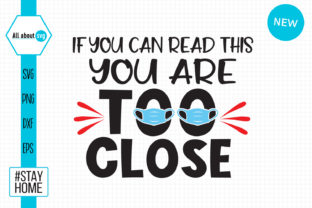
The concept behind Social Distancing Shirt, Funny is inherently relatable. In the world of custom apparel, designs that tap into shared cultural moments often see higher engagement. Visually, the layout appears balanced, avoiding the common pitfall of overcrowding text or imagery. However, as an experienced reviewer, I am less concerned with the joke itself and more focused on the execution potential. Does the typography hold up when converted to a fill stitch? Are the lines thick enough to prevent thread breakage? These are the questions that determine whether a digital embroidery file becomes a best-seller or a wasted investment.
When I visualize this design on a sweatshirt embroidery project, the mood shifts from simple humor to a statement piece. The clean lines suggest it would work well with a bold running stitch outline or a dense satin border. For those running a craft business, the ability to create a cohesive brand identity through consistent visual language is crucial. This graphic offers a distinct personality that could anchor a collection of handmade products, provided the technical execution matches the creative intent.
Real-World Application: From File to Fabric
To truly evaluate Social Distancing Shirt, Funny, I need to imagine it in a real-world scenario. Picture a local boutique preparing for a holiday sale. They want to offer a line of personalized gifts that feel both timely and timeless. I can see this design working beautifully on a heavy-weight cotton tote bag or a structured denim jacket. The texture of these materials provides a stable canvas, allowing the stitch density to settle without distorting the underlying fabric.
However, the story changes if we attempt this on a delicate baby item or a thin kitchen towel. Here, the weight of the thread and the tension required for a clear message could cause puckering. As a designer, I would advise against using this specific layout on stretchy fabrics like jersey knit unless you plan to use a significant amount of stabilizer. The rigidity needed to keep the lettering crisp might fight against the natural drape of the material, resulting in a finished product that feels stiff and uncomfortable.
For the Etsy seller looking to expand their inventory, this design fits perfectly into the category of novelty gifts. Imagine a customer walking into a craft fair, spotting a cap with this embroidered patch, and immediately connecting with the sentiment. That moment of recognition is what drives sales. Yet, the success hinges on the quality of the stitch. If the thread colors clash with the background or if the hoop size was too small, causing the letters to squish together, the professional appeal vanishes instantly.
Navigating Technical Challenges
There are specific areas where Social Distancing Shirt, Funny requires careful handling. Small details within the graphic, such as tiny punctuation marks or intricate decorative accents, are prone to getting lost during the stitching process. On a dark fabric, light-colored threads can sometimes bleed or appear muddy if the backing isn't chosen correctly. Conversely, on light fabrics, dark threads might show through if the stabilizer is insufficient.
I always recommend testing the design on scrap fabric first. This step is non-negotiable for any serious embroidery project. By running a test on a piece of similar weight to your final material, you can check the stitch density and adjust the settings on your machine. You might find that the default settings create holes in the fill areas or that the pull is too aggressive. Additionally, consider the curvature of the surface. While this design looks flat on a monitor, applying it to a curved surface like a baseball cap requires a different approach to ensure the text remains legible and doesn't warp.
Maximizing Value and Professionalism
The true value of Social Distancing Shirt, Funny lies in its versatility. For the small shop owner, this single graphics asset can be adapted across multiple product lines. It can be an embroidered patch sewn onto a backpack, a direct stitch on a pillow cover, or even part of a larger applique design on a quilt. This adaptability increases the return on investment for purchasing the file.
However, maintaining professionalism is key. Customers today expect high-quality craftsmanship. If the stitching is loose, the edges are frayed, or the design looks pixelated due to poor digitization, it reflects poorly on your brand. Trust is built through consistency. Every time a customer receives a personalized gift from your shop, they should feel confident in the quality. Using a well-tested design like this one helps maintain that standard, provided you take the necessary steps to prepare the file and the fabric correctly.
Practical Notes for Designers and Makers
Before you commit to selling items featuring Social Distancing Shirt, Funny, there are several practical checks you must perform. First, confirm the licensing terms. While the listing states this is an instant download compatible with Silhouette, Cricut, and other software, you must verify if the license allows for commercial use of the finished goods. Selling items made from a personal-use-only file can lead to legal issues and damage your reputation.
Secondly, review the file specifications. Check the recommended hoop size and ensure your machine can accommodate it. If the design is large, you may need to split it into sections, which can affect the alignment and overall look. Always compare light and dark fabric backgrounds in your mockups to ensure the thread colors provide sufficient contrast. A design that pops on white might disappear on black without the right adjustments.
Finally, don't forget the importance of presentation. Use printable mockups to showcase your design assets in your online store. High-quality images that show the texture of the thread and the lay of the fabric help customers visualize the product. This attention to detail separates a hobbyist from a professional commercial embroidery provider.
Final Thoughts on the Design
In conclusion, Social Distancing Shirt, Funny is a strong contender for anyone looking to add a touch of wit to their crafts portfolio. Its success depends entirely on the skill of the maker and the care taken during the production process. By respecting the limitations of the fabric, choosing the right stabilizer, and adhering to proper licensing, you can turn this digital file into a tangible, high-quality product that resonates with customers.
Whether you are creating a holiday embroidery special, a unique boutique product, or a heartfelt personalized gift, the principles remain the same: test thoroughly, execute with precision, and prioritize quality over speed. With the right approach, this design can become a staple in your collection, proving that even a simple graphic can make a lasting impression when stitched with care.