St Patricks Leopard Print Shamrock Review
As a designer who has spent years navigating the intersection of digital graphics and physical stitching, I approach every new machine embroidery design with a critical eye. We are not just looking at pixels on a screen; we are visualizing how thread interacts with fabric, how light hits the texture of a satin stitch, and whether a concept translates from a digital file to a tangible, high-quality finished product. Today, I am evaluating the St Patricks Leopard Print Shamrock. This design sits at an interesting crossroads in the Crafts category, blending traditional holiday iconography with a bold, modern animal print aesthetic. It is a piece that demands careful consideration before it hits the hoop.
The Visual Impact: Tradition Meets Bold Pattern
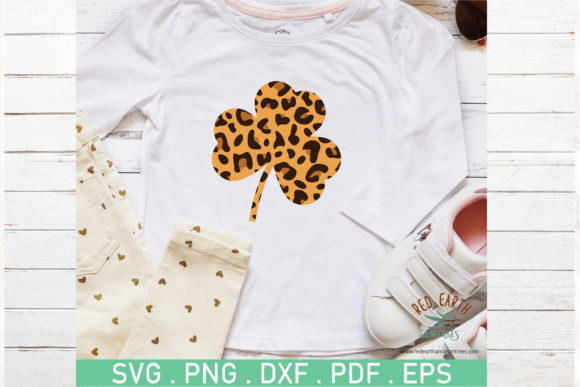
The first thing that strikes you about the St Patricks Leopard Print Shamrock is its confidence. In the world of St. Patrick's Day decor, we often see endless variations of solid green clovers or cartoonish leprechauns. This design breaks that mold by introducing the chaotic energy of a leopard or cheetah pattern within the structured shape of a four-leaf clover. Visually, it creates a mood that is playful yet edgy. It feels less like a generic holiday decoration and more like a statement piece for custom apparel.
When reviewing this as a digital embroidery file, the layout suggests a design meant to pop. The contrast between the organic curves of the shamrock and the jagged, irregular spots of the leopard print offers a dynamic tension. For an Etsy seller or a small shop owner looking to stand out in a crowded marketplace, this type of Graphics asset can be a game-changer. However, the complexity of the pattern means that the success of the project hinges entirely on execution. A poorly executed fill stitch here could turn the intended "cool" vibe into a muddy mess.
Real-World Application: From Concept to Stitched Reality
To truly understand the potential of the St Patricks Leopard Print Shamrock, let's walk through a real-life scenario. Imagine you are preparing a limited run of embroidered tote bags for a boutique craft fair. You want something that appeals to a younger demographic—perhaps college students or fashion-forward shoppers who appreciate a twist on holiday themes. You load the embroidery file onto your machine, aiming for a 5x7 inch hoop size, which seems appropriate for a tote bag front.
As the needle begins to work, the fill stitch density becomes the primary concern. The leopard spots are small and intricate. If the stitch density is too loose, the background color of the fabric might show through the gaps in the spots, breaking the illusion of the print. Conversely, if the density is too high, the fabric may pucker, especially on a canvas tote bag. In this specific case, I would recommend testing the design on a scrap piece of the exact same fabric first. This step is non-negotiable for any professional handling commercial embroidery.
Consider also the placement on a sweatshirt. A sweatshirt embroidery project using the St Patricks Leopard Print Shamrock could look fantastic on the chest pocket area or centered on the back. The bold nature of the design holds up well against the heather grey or black fabrics commonly used in streetwear. However, because the pattern is busy, it requires a clean outline. If the design includes a running stitch or satin stitch border around the clover, ensure that the spacing is wide enough to prevent the dense fill stitches from bleeding into the outline. This attention to detail separates a hobbyist project from a professional handmade product.
Where Caution Is Required
While the St Patricks Leopard Print Shamrock is versatile, there are specific situations where it should be used with extreme caution. First, avoid using this design on very thin or highly stretchy fabrics without heavy-duty stabilizer. The weight of the thread required to create the leopard spots can distort lightweight materials, leading to a wavy finish that looks unprofessional. Second, be wary of dark fabrics unless the design files include a bright underlay. Embroidering a complex pattern like a cheetah print directly onto a black shirt without proper backing will result in poor visibility and a lack of definition.
Furthermore, do not attempt to scale this design down significantly. If you try to fit the four leaf clover svg concept into a tiny cap brim or a small patch, the individual spots will merge together, losing their distinct shape. The magic of the leopard shamrock svg lies in the clarity of the spots. If they become indistinguishable blobs due to scaling, the design loses its identity. Always confirm the minimum recommended hoop size before committing to a small-scale application.
Enhancing Product Value and Customer Trust
For creative entrepreneurs and digital product sellers, the choice of design assets directly impacts buyer engagement. Offering a personalized gift featuring the St Patricks Leopard Print Shamrock signals to the customer that you offer unique, curated options rather than mass-produced templates. When a customer sees a finished product with crisp, well-defined leopard spots on a shamrock, it builds trust in your craftsmanship. They perceive higher value in the item because the effort to execute such a detailed pattern correctly is evident.
This design also fits perfectly into the realm of holiday embroidery gifts that people actually want to keep. Unlike the flimsy plastic trinkets found in big-box stores, an embroidered pillow cover or kitchen towel featuring this motif adds a touch of personality and durability to a home. For an Etsy seller, this kind of design can serve as a signature item for the March season, driving traffic to your shop through distinctive imagery in your printable mockup previews.
Practical Designer Notes for Success
If you decide to incorporate the St Patrics Leopard Print Shamrock into your workflow, follow these practical steps to ensure a flawless outcome:
- Test on Scrap Fabric: Never skip the test run. Check how the thread colors interact with your specific fabric texture. The leopard print relies heavily on contrast.
- Review Thread Colors: Ensure you have the right shades. A standard green shamrock needs to be balanced with the brown, tan, and black tones of the leopard print. Mismatched threads can make the design look muddy.
- Check Stabilizer Needs: Given the density of the fill stitches, use a tear-away or cut-away stabilizer that supports the weight of the design without adding bulk.
- Inspect Small Details: Zoom in on your digital preview. Are the smallest spots large enough to be stitched cleanly? If not, consider adjusting the settings or choosing a larger scale.
- Licensing Verification: Before selling any custom apparel or embroidered patches made with this design, confirm the licensing terms. Ensure you have the right to use the digital embroidery file for commercial purposes.
- Mockup Comparison: Test the design in both black and white mockups to see how it reads on different backgrounds. This helps in deciding which fabric colors will yield the best results for your customers.
In conclusion, the St Patricks Leopard Print Shamrock is a compelling addition to any designer's library of design assets. It bridges the gap between festive tradition and modern style, offering a fresh take on a classic symbol. While it requires a skilled hand and careful planning regarding stitch density and fabric choice, the payoff is a stunning, unique product that stands out in any collection. Whether you are creating a one-off personalized gift or stocking up for your craft business, this design has the potential to elevate your brand when executed with precision and care.