You Are Such a Funny Bunny: A Designer's Review
As someone who has spent years navigating the intersection of digital design and physical stitching, I approach every new machine embroidery design with a critical eye. It is not enough for a file to look good on a screen; it must translate seamlessly into thread on fabric. Today, I am evaluating You Are Such a Funny Bunny, a design that promises to bring a touch of whimsy to your upcoming Easter collections. Before you download this embroidery file or commit it to a client order, let us walk through how it actually performs in a real-world crafts environment.
The First Impression: Mood and Visual Weight
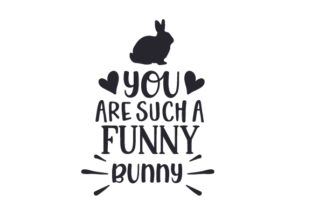
When I first opened the preview for You Are Such a Funny Bunny, the immediate reaction was one of lighthearted charm. The layout suggests a playful character, likely designed to evoke smiles on children or those looking for a cute accent on their home decor. In the world of holiday embroidery, designs often suffer from being either too cluttered or too generic. This design strikes a balance, offering a distinct personality without overwhelming the garment or item it sits upon.
From a composition standpoint, the shape appears balanced, which is crucial for maintaining stability during the stitching process. If the center of gravity is off, even a slight tension issue can cause the final product to look skewed. The visual weight feels appropriate for medium-sized projects. It does not scream for attention like a massive chest logo might, but rather whispers a sweet sentiment, making it an ideal candidate for personalized gifts or boutique merchandise where subtlety sells.
Real-World Application: Where It Shines
To truly understand the value of You Are Such a Funny Bunny, we need to visualize it on actual products. Imagine preparing a custom embroidered tote bag for a local craft fair. The sturdy canvas of a tote provides a perfect foundation for this type of design. The text "You are such a funny bunny" paired with the graphic creates a complete narrative that customers can instantly connect with. On a tote bag, the design would likely sit well in the lower corner or centered, depending on the stitch density.
I also see significant potential here for sweatshirt embroidery. During the spring season, soft fleece hoodies are popular. Placing this design on the left chest area of a sweatshirt offers a trendy, casual look. The contrast between the thick cotton fleece and the sheen of the thread would enhance the visual appeal. For parents looking for baby embroidery, this design could be adorable on a onesie or a small pillow cover, provided the hoop size is adjusted correctly to fit the smaller garment.
Furthermore, for the Etsy seller or small shop owner creating handmade products, this design fits perfectly into the category of seasonal decor. Think of kitchen towels, aprons, or even embroidered patches that can be sewn onto denim jackets later. The versatility allows you to diversify your inventory without needing to purchase ten different files. Whether you are selling the finished product or offering the digital embroidery file as a download, the commercial viability is clear.
Navigating Challenges: Fabric and Technique
However, no design is universally perfect without consideration for execution. There are specific scenarios where You Are Such a Funny Bunny requires careful handling. If you plan to use this on thin fabric like a lightweight t-shirt, you must be vigilant about stitch density. High-density areas can pucker thin material, ruining the drape of the shirt. Always test the design on scrap fabric first to ensure the stabilizer choice supports the weight of the thread.
Similarly, if you are working with textured fabrics like corduroy or heavy wool, the fine details of the bunny's features might get lost in the weave. In these cases, simplifying the design or using thicker thread might be necessary to maintain clarity. Another consideration is curved surfaces like caps. Embroidering on a cap requires precise digitizing to account for the curve. If the design includes straight lines or complex curves, it may distort on a rounded surface unless the machine settings are adjusted for the specific cap attachment.
Dark fabrics present another challenge. While the design files include formats like SVG and PNG, the actual stitching relies on thread colors. If the original design assumes a light background, stitching it directly onto black or navy fabric without a backing layer or color adjustment will result in poor visibility. You may need to add a satin stitch border or a fill stitch backing to make the design pop against darker hues.
Technical Considerations for the Professional
As a professional reviewer, I always advise checking the technical specifications before committing to a large run. The product description mentions that you will receive the design in SVG File, Transparent PNG, EPS, and DXF formats. This variety is excellent for flexibility. The SVG and EPS files are vector-based, meaning they can be scaled up or down without losing quality, which is vital if you decide to use the design for a large banner or a tiny patch.
However, note that these are primarily cutting or print formats. For actual machine embroidery, you typically need a format like .PES, .DST, or .JEF. If the listing implies these vector files are for laser cutting or printing mockups rather than direct machine embroidery, clarify this immediately. If they are indeed meant for embroidery machines, ensure your software can import them correctly. Do not assume compatibility. Always review the hoop size requirements listed by the creator. Hooping a design too tightly can distort the image, while hooping it too loosely can lead to registration errors.
Another critical step is testing the running stitch and fill stitch areas. Complex fills can sometimes trap air or create puckering if the pull compensation is not set correctly. Run a test on a piece of fabric similar to your final project. Check the thread colors for contrast and vibrancy. Sometimes, what looks vibrant on a monitor looks dull in person due to lighting conditions in your shop.
Commercial Viability and Brand Consistency
For the creative entrepreneur, the question is often about brand consistency. Does You Are Such a Funny Bunny align with your aesthetic? If your brand is minimalist, this playful design might feel out of place. However, if you specialize in family-oriented, cheerful, or holiday-themed items, it adds a cohesive element to your catalog. Using consistent design assets helps build customer trust and recognition.
Before selling finished items, always confirm the licensing terms. Just because you purchased the file does not automatically grant you the right to sell unlimited finished goods or resell the digital file itself. Some licenses allow for personal use only, while others permit commercial production. Misunderstanding this can lead to legal issues for your craft business. Ensure you have the right to use this design for commercial embroidery projects, whether that means selling a hundred hats or just a few personalized gifts.
Final Thoughts on Execution
In conclusion, You Are Such a Funny Bunny is a charming addition to any designer's library, provided it is used with intention. It excels on stable fabrics like canvas, fleece, and cotton blends, making it a strong contender for tote bag designs and custom apparel. Its playful nature makes it perfect for the Easter season, but its timeless appeal could extend beyond the holiday if styled correctly.
Remember to prioritize testing. Use proper stabilizer, check your thread tension, and verify the scale before starting a batch production. By treating this design with the same care you would give to a high-end custom order, you ensure that the final finished product meets the high standards your customers expect. Whether you are a hobbyist making a gift or a business owner stocking shelves, this design offers a delightful opportunity to showcase your skills when executed with precision.