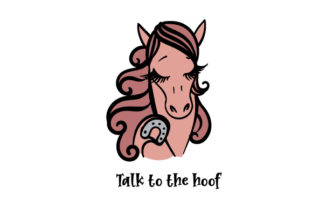
Talk to the Hoof: A Designer's Practical Review
As a designer who has spent years navigating the intersection of digital art and physical stitching, I approach every new machine embroidery design with a critical eye. It is not enough for a file to look good on a screen; it must translate seamlessly into thread, stabilizer, and fabric without unraveling the vision or frustrating the operator. When I first encountered Talk to the Hoof, my initial reaction was immediate amusement. This funny design will make any horse-lover smile, but the real question for us as creators is whether that humor holds up under the scrutiny of a production run.
First Impressions: Visual Personality and Layout
The concept behind Talk to the Hoof is straightforward yet effective. It taps into a specific niche within the equestrian community, offering a witty phrase paired with a visual element that suggests movement and character. In terms of layout, the design feels balanced. The typography does not compete aggressively with the graphic elements, which is crucial for maintaining legibility in an embroidered format. For a project like this, the mood is lighthearted and playful, making it an excellent candidate for casual wear or spirited home decor.
When evaluating the shape and detail level, I noticed that the lines are generally bold enough to prevent common issues like stitch merging. This is a significant advantage when working with standard fill stitches. However, as with any text-based design, the spacing between letters and the curvature of the hoof graphic require careful attention during digitizing. If you are planning to use this as a tote bag design or for sweatshirt embroidery, the clarity of the lettering becomes paramount. The design assets provided seem robust, but always remember that the final output depends heavily on your machine settings and the quality of the embroidery file conversion.
Real-World Application: From File to Finished Product
Let’s imagine a real-life scenario where I am preparing a batch of custom items for a small shop product line. I decide to feature Talk to the Hoof on a series of heavy-duty canvas tote bags and fleece sweatshirts. These are staple items for any craft business targeting horse enthusiasts. On the canvas tote, the texture of the fabric provides a great base for the fill stitch, allowing the design to pop without sinking into the weave. The sturdy nature of the material supports the weight of the thread, ensuring the finished product looks professional and durable.
Switching to a fleece sweatshirt presents a different challenge. The nap of the fabric can sometimes obscure fine details. Here, the boldness of the Talk to the Hoof graphic works in our favor. By using a high-quality stabilizer and adjusting the stitch density slightly, the design maintains its integrity even on a stretchy surface. The result is a piece of custom apparel that feels personal and well-made. Customers buying these items often look for unique, conversation-starting pieces, and this design delivers exactly that. It transforms a generic garment into a statement piece, enhancing the perceived value of the handmade item.
For those of you running an Etsy seller account or managing a boutique brand, this design fits perfectly into categories like holiday gifts or personalized presents. Imagine a baby blanket or a nursery pillow cover featuring a softer color palette of the same motif. While the original phrase is humorous, the underlying imagery of a horse can be adapted for younger audiences if the text is modified or omitted. This versatility makes it a valuable addition to your library of digital embroidery files.
Navigating Challenges: Fabric and Technique Considerations
Despite its strengths, there are scenarios where Talk to the Hoof requires extra caution. Small hoop sizes can be problematic if the design includes intricate curves or tight kerning in the text. Attempting to stitch this on a tiny cap or a small patch might result in crowding, where the satin stitch edges blend together, losing definition. Always check the recommended hoop size before committing to a project.
Fabric texture also plays a critical role. On highly textured fabrics like tweed or thick wool, the running stitch outlining the text might get lost. Similarly, on very thin or sheer materials, the weight of the thread could cause puckering. If you plan to use this on dark fabric, ensure you have selected thread colors that offer sufficient contrast. A white or light cream outline against a navy background would work beautifully, whereas similar tones might render the design invisible from a distance.
Another area of concern is frequent washing. Items like kitchen towels or aprons undergo rigorous cleaning cycles. If the fill stitch density is too low, the design may begin to fray over time. Conversely, if it is too dense, the fabric might become stiff. Testing the design on scrap fabric first is non-negotiable. Run a test stitch on the exact material you intend to use, checking for tension issues and thread breakage. This step ensures that the finished product meets your quality standards before you invest time and money into a full production run.
Strategic Advice for Designers and Makers
For anyone looking to incorporate Talk to the Hoof into their commercial projects, here are some practical notes to keep in mind:
- Test Before You Sell: Always create a sample on the intended fabric. Check how the machine embroidery design handles curves and sharp angles.
- Color Contrast Matters: Review your thread colors against both light and dark backgrounds. What looks clear on a monitor might disappear on black cotton.
- Stabilizer Selection: Use the appropriate stabilizer for your fabric type. Cut-away is best for stretchy knits, while tear-away works well for stable wovens.
- Licensing Check: Confirm the licensing terms before selling finished items. Ensure you have the right to use the design for commercial embroidery if you are producing goods for sale.
- Mockup Verification: Create a printable mockup to visualize the scale and placement. This helps in presenting the design to clients or showcasing it in your online store.
When used correctly, Talk to the Hoof can significantly boost buyer engagement. It adds a layer of personality to your handmade product offerings, fostering a connection with customers who share a passion for horses. Whether you are creating an embroidered patch for a hat, decorating a baby embroidery item, or launching a new line of holiday embroidery gifts, the key lies in execution.
Final Thoughts on Value and Versatility
In the world of Crafts, particularly within the Horse Amp category, designs that balance humor with technical reliability are rare gems. Talk to the Hoof offers that balance, provided the maker respects the nuances of the medium. It is not just about downloading a file and hitting start; it is about understanding how the digital asset translates into a tactile experience.
By paying attention to stitch density, fabric choice, and color theory, you can turn this design into a standout item in your portfolio. Whether you are a hobbyist looking to make a personalized gift or a creative entrepreneur scaling a small business, this design has the potential to deliver. Just remember to verify the file formats—SVG, Transparent PNG, EPS, DXF—and ensure they are compatible with your software and machine. With the right preparation, Talk to the Hoof is more than just a joke; it is a tool for building brand consistency and delivering joy through the art of embroidery.